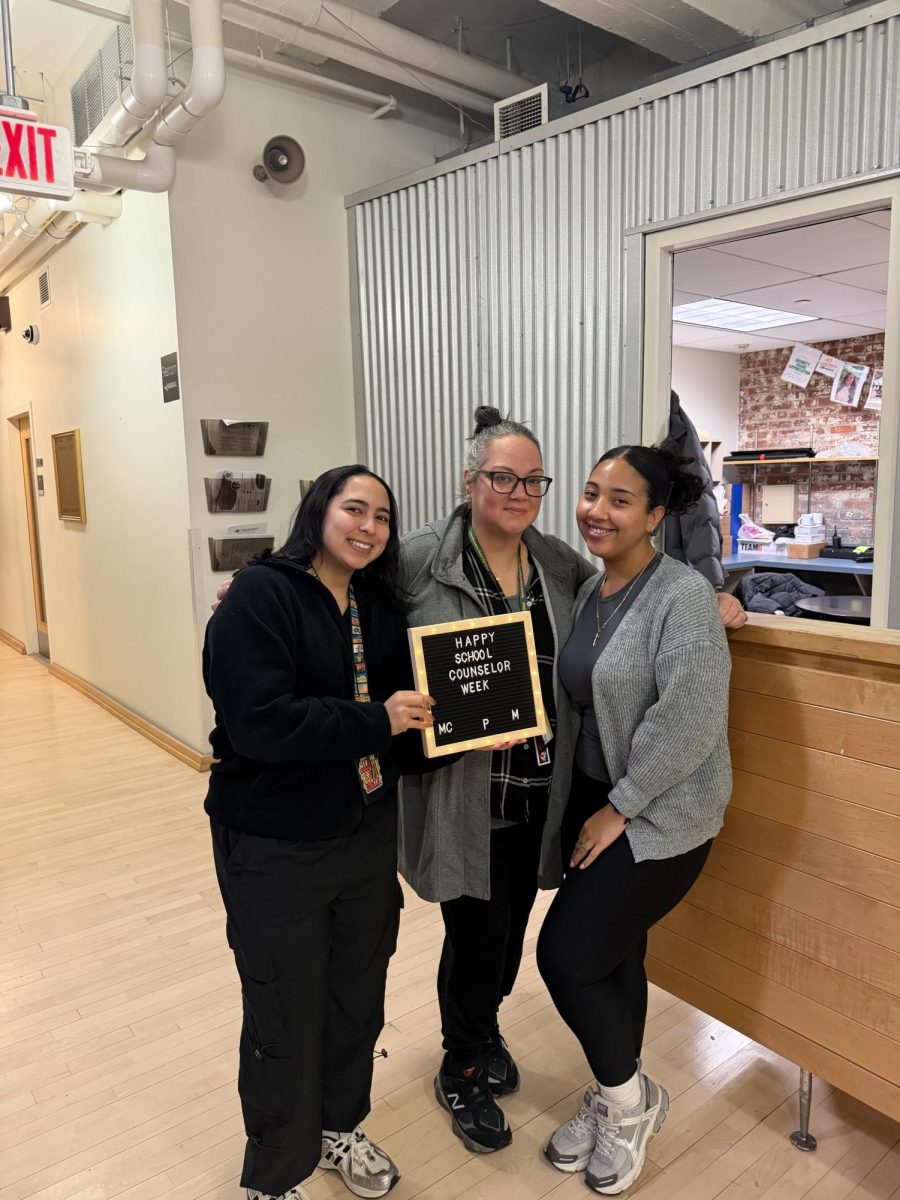
Are they guidance counselors or are they School Counselors? Although many students still use the term guidance counselors that title does not fully explain what they actually do.
In the past, the guidance department was often associated with helping students choose classes, adjust schedules, and plan for college. While these aspects are still a big part of the job, the role has grown into something more that encompasses all of a student’s needs.
Today’s School Counselors focus on supporting students whether it’s academically, socially, and emotionally which makes the term School counselor more accurate.
School counselor, Melissa Martinez, details how much training the job requires.
“I needed a Master’s degree… my Masters is of education for both School counseling and clinical mental health,” said Martinez. “I had to complete about 3,000 hours of internship.”
This level of education and experience shows that School Counselors are trained professionals prepared to help with a student’s needs, not just with academics.
According to Martinez, modern School Counseling places a strong focus on mental health.
“We help a lot of students in the social emotional aspect,” said Martinez. “The term guidance counselor is very outdated, it suggests that counselors only give academic direction when in reality, there’s way more to that role than just that.”
School counselor, Marleen Martinez-Camilo, explains how School Counselors support students in many areas beyond academics.
“You’re not just talking about report cards,” said Martinez-Camilo. “You’re working with mental health, emotional regulation, social skills, and etc.”
On a daily basis, counselors work with students through individual counseling, group sessions, classroom lessons, and whatever other necessity arises. They also work with families and school staff to ensure students receive support both inside and outside the classroom.
Martinez-Camilo adds that School Counselors have responsibilities that go beyond individual meetings.
“We work at the systems level, not just one-on-one in order to fill a student’s every day needs, said Martinez- Camilo.”
Building trust is a key part of being a School Counselor. Without trust students will avoid seeking help.
“Students won’t open up to you unless you take the time to build relationships through everyday conversations,” said Martinez- Camilo.
She also emphasizes that School Counselors are available to help students with everyday concerns, not just emergencies.
“Talking to a counselor isn’t only for serious problems,” said Martinez-Camilo. We help with friendship breakups, motivation, stress, and confidence.”
The student-centered approach shows how School Counseling focuses on helping students grow, cope, and succeed. It is important to remember that School Counselors are not just responsible for one student with one issue, they help support the entire school community and address the challenges that affect many students all at once.
As schools place more importance on students’ well -being, the role of the School Counselor continues to grow. Our School Counselors experience makes it clear that the role of the guidance counselor is in the past, while that of School Counselors in the present, are well trained professionals who support the whole student.